

Registration of Water Users Associations
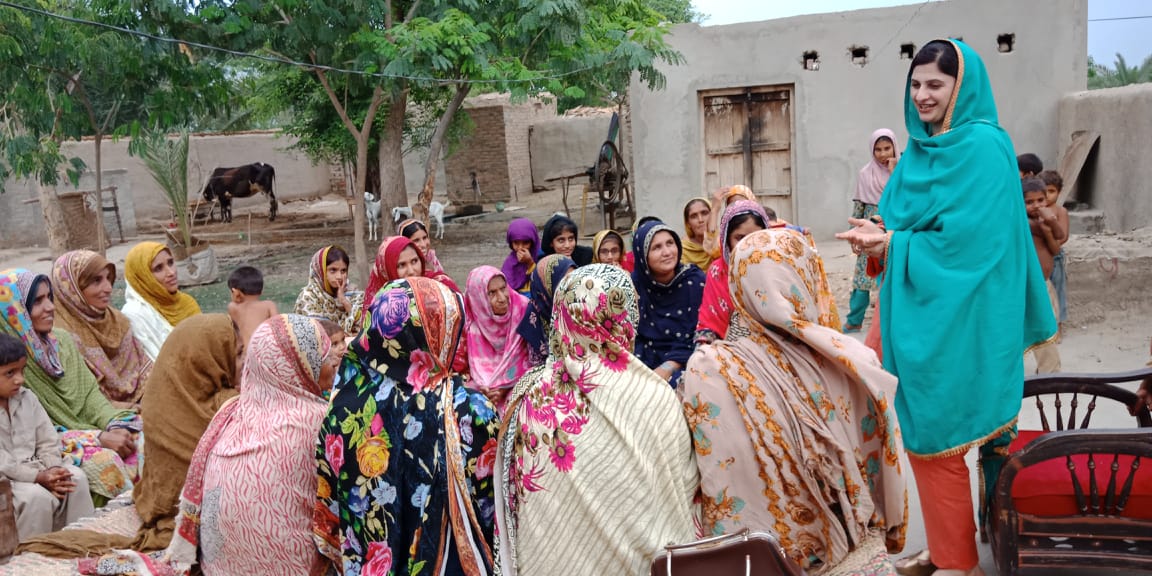
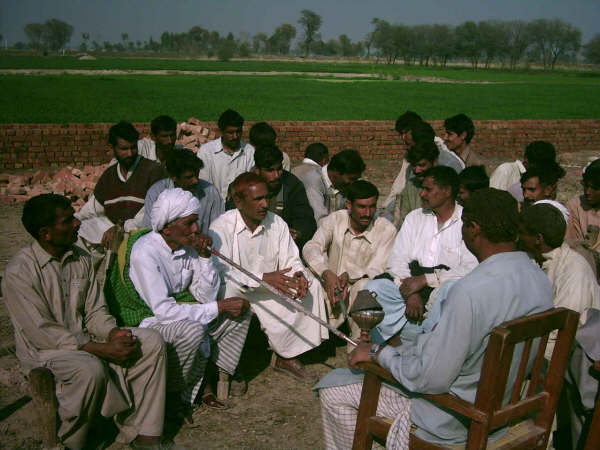
Effective involvement and participation of shareholders, particularly farmers, is vital for the successful implementation of any development program, especially in the field of agriculture. In Pakistan, the key to the successful execution of the on-farm water management (OFWM) program is the active involvement of farmers, who have been following a community-driven implementation approach for the past 40 years. The OFWM staff has demonstrated an adequate capability and capacity to carry out the necessary social mobilization and has organized about 48,000 water users' associations (WUAs), with a membership of approximately 2,160,000 farm families in the province, for the improvement of watercourses.
The success of the OFWM program can be attributed to the community-driven approach that is followed, which emphasizes the active participation of farmers in the development and implementation of water management interventions. This approach ensures that the interventions are aligned with the needs of the farmers, and the ownership of the interventions lies with the farmers themselves. The farmers are not just passive beneficiaries of the interventions but are active partners in the process, which results in the sustainability of the interventions.
The WUAs have played a crucial role in the success of the OFWM program by contributing in cash and kind for the civil works and earthen improvements. The fact that they have contributed approximately PKR 2.312 billion and PKR 2.051 billion, respectively, as skilled and unskilled labor for civil works is a testament to the commitment of the farmers towards the program. Similarly, their contribution of approximately PKR 5.454 billion as unskilled labor for earthen improvements and PKR 2.73 billion for material costs is commendable.
The success of the OFWM program is not just limited to the financial contributions of the farmers. It has resulted in a significant improvement in the water management practices of the farmers, which has led to an increase in crop yields and an improvement in the livelihoods of the farmers. The program has also contributed to the conservation of water resources, which is critical in a water-stressed country like Pakistan.
In conclusion, the success of the OFWM program in Pakistan is a result of the active participation and involvement of the farmers in the development and implementation of water management interventions. The community-driven approach that is followed ensures that the interventions are aligned with the needs of the farmers, and the ownership of the interventions lies with the farmers themselves. The contributions of the WUAs, in terms of financial and non-financial resources, are commendable and have been crucial in the success of the program. The OFWM program can serve as a model for other development programs in the agriculture sector, where the active participation and involvement of the farmers can ensure the sustainability and success of the interventions.
 |
 |
Registration
Registration is the process of signing up or enrolling for a particular service, program, or activity by providing required information. There would be one WUA for each canal watercourse to be improved under the OFWM projects that will be registered under “On Farm Water Management & Water Users' Association Ordinance [Act]-1981 (Amended 2001)”:
Responsibilities
The Water User Association (WUA) plays a critical role in the implementation of watercourse development activities. The WUA has specific responsibilities to ensure that the watercourse is developed and maintained appropriately. These responsibilities include:
-
Providing the right of way for constructing watercourse
-
Arranging for skilled and unskilled labor required for reconstruction of earthen water channels, installation of structures, and lining of critical reaches
-
Procuring construction materials for carrying out civil works
-
Settling disputes amongst the water users in respect of channel alignment, fixation of nuccas, distribution of work, etc.
-
Making alternate arrangements for conveyance of water during execution of improvement works
-
Carrying out civil works in accordance with standards and specifications under the supervision of OFWM field staff
-
Undertaking regular O&M of improved watercourses
In addition to these responsibilities, WUAs are encouraged to assume the following functions:
-
Undertaking construction/improvement of farmers’ branches and field ditches
-
Participating in the process of water allocations and distribution (warabandi) within the watercourse command
-
Installing and carrying out O&M of community tube wells
-
Developing surface/sub-surface on-farm drainage facilities
-
Facilitating the distribution of non-water inputs
-
Accessing funding from various government and non-government organizations to carry out development works in the agriculture sector
These responsibilities and functions of WUAs are crucial to ensure the success of the watercourse development activities. By actively participating in these activities, the WUAs can help to develop and maintain the watercourse effectively, which can lead to increased crop yields, improved livelihoods, and conservation of water resources.
Watercourse Improvement
The tertiary level irrigation system in the Punjab region of Pakistan is facing a significant challenge due to the loss of irrigation water. It has been established that around 40% of irrigation water is lost in the century-old community watercourses due to poor maintenance and aging. This situation is not only detrimental to the agriculture sector but also results in the wastage of a precious resource.
To address this issue, the maintenance of the watercourses needs to be improved. Regular cleaning, desilting, and repair of breaches are some measures that can be taken to prevent water loss. Technology can also play a crucial role in detecting and monitoring water losses, such as the use of sensors to detect leaks and blockages.
The government needs to provide funding and establish a mechanism to monitor and maintain the watercourses. Community-based organizations can also be involved in the maintenance of the watercourses, with incentives provided to those who maintain them well. The involvement of farmers in the maintenance of the watercourses can also lead to greater accountability and responsibility.
Efficient use of water resources is critical for sustainable agriculture and the conservation of a precious resource. Therefore, addressing the loss of irrigation water in the tertiary level irrigation system in Punjab is essential. The use of various stakeholders and technology in the maintenance of watercourses can help address this issue and lead to sustainable agriculture practices.
 Causes of Water Losses
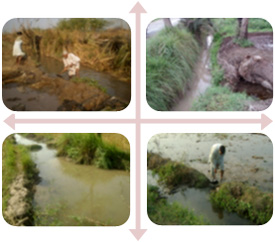
The tertiary level irrigation system in the Punjab region of Pakistan is facing significant water losses due to several factors. The main sources of these losses are seepage, spillage, and side leakage from the watercourses, which can be attributed to the following reasons:
-
Irregular profile and zigzag alignment of banks with many points of weakness
-
Variable cross section of water channels
-
Silt deposition causing restrictions in flow and overtopping
-
Trees, shrubs, and vegetation growing in watercourses
-
Damage caused by rodents and farm animals
-
Frequent bank cutting and plugging for water abstraction
The irregular profile and zigzag alignment of banks with many points of weakness are significant causes of water losses. This is because the watercourses' structure is not uniform, leading to weak points that allow water to escape. The variable cross-section of water channels is also a contributing factor to water losses as it can lead to restrictions in flow and overtopping, resulting in spillage.
Silt deposition causing restrictions in flow and overtopping is another reason for water losses. When silt accumulates, it restricts water flow, leading to overtopping and spillage. Trees, shrubs, and vegetation growing in watercourses are also responsible for water losses, as they obstruct the water's flow and contribute to spillage.
Damage caused by rodents and farm animals is a significant cause of water losses in the tertiary level irrigation system. Animals can damage the banks, leading to seepage and spillage. Frequent bank cutting and plugging for water abstraction are also causes of water losses, as this can weaken the structure of the watercourses, leading to seepage and spillage.
In conclusion, the water losses in the tertiary level irrigation system in Punjab can be attributed to several factors, including irregular profile and zigzag alignment of banks, variable cross section of water channels, silt deposition, vegetation growth, damage caused by animals, and frequent bank cutting and plugging. Addressing these factors through maintenance and repair of the watercourses is crucial to conserve water resources and ensure sustainable agriculture practices.
Process of Watercourse Improvement
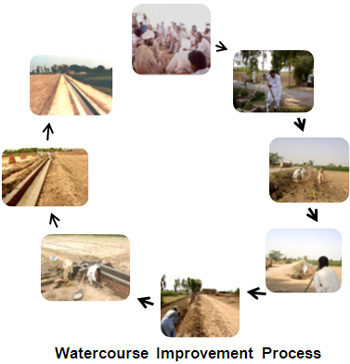
Watercourse improvement or renovation is a crucial step towards conserving water resources and increasing agricultural productivity in the tertiary level irrigation system in Punjab. The process involves the complete demolishing of the community channel and its rebuilding/re-aligning according to engineering design, which reduces seepage, evaporation, and operational losses. The following are the steps involved in the process of watercourse improvement:
-
Demolition of existing channel: The existing watercourse is completely demolished to create a new structure that aligns with the engineering design.
-
Rebuilding and realignment: The new watercourse is constructed and aligned according to the engineering design to improve conveyance efficiency and reduce water losses.
-
Installation of water control structures: Water control structures such as gates, weirs, and regulators are installed to control the flow of water and improve conveyance.
-
Lining of watercourse: The watercourse is lined to reduce seepage and evaporation losses. The standard "Pucca" lining is commonly used, which consists of double-brick masonry walls (23 cm) and a brick masonry bed (7 cm) plastered inside and on top of the walls. However, other types of lining, such as pre-fabricated concrete, pipe, and plastic, are also used, depending on the farmers' choice, field conditions, and cost-effectiveness.
-
Pre-cast parabolic lining: Currently, the lining with precast concrete parabolic segments (PCPS) is being used under all development projects. This design has proved to be durable and easy to install.
-
Watercourse improvement is a complex process that involves several steps. However, it is necessary to conserve water resources and increase agricultural productivity. The use of modern technology, such as pre-cast concrete parabolic segments (PCPS), can make the process more efficient and effective.
|
|
Installation of Nakkas
Installation of precast "nakkas" is an essential part of watercourse improvement and renovation to reduce channel deterioration, seepage loss, and improve water control. The following are the steps involved in the installation of nakkas:
-
Installation of precast "nakkas": Precast "nakkas" are installed at all authorized places to reduce channel deterioration, seepage loss, and to improve water control. They considerably reduce drudgery in irrigation operation
-
Provision of nakkas: Under normal conditions, where the land is fairly leveled and belongs to one or two farmers only, the standard practice of providing one nakka (turnout and check) for every 25 acres is quite satisfactory. Extra provision of nakkas is, however, made where the land has been subjected to fragmentation because of uneven topography, repeated division of ownership, social problems, etc
-
Construction of culverts: Culverts are constructed at major crossings to ensure proper water flow
-
Provision of additional structures: A limited number of checks/drop structures, animal wallows/buffalo baths, and laundry sites are provided as required to improve the efficiency of the irrigation system
-
Public health benefits: The construction of washing places and lining of reaches through villages gives additional public health benefits
The installation of precast "nakkas" is an important step towards reducing water losses and improving the efficiency of the irrigation system. It not only benefits farmers by reducing drudgery in irrigation operations but also improves public health
Selection Criteria
The selection criteria for watercourse improvement and renovation have been adopted to ensure maximum benefits to the farmers while minimizing costs. The following criteria are currently being followed:
-
Condition of watercourse: Watercourses that have not been previously improved or lined below 50% of the total length are given priority for improvement.
-
Willingness to form a WUA: Farmers are required to form a water users association (WUA) and agree with the cost-sharing arrangements before initiating the improvement work.
-
Reconstruction of katcha portion: Shareholders must agree to reconstruct the katcha portion of the watercourse before commencement of the lining work
-
Sections to be lined: The following sections of the watercourse are selected for lining
-
Head reaches having maximum usage and flows are given priority to improve conveyance efficiency
-
Elevated sections that are susceptible to leakage, overtopping, and spillage are also given priority for lining
-
Portion of the watercourse that crosses, passes through or along villages, and roads are also selected for improvement to reduce public health hazards and road damage
-
Sections having sandy/porous soils are also given priority for lining
The above criteria ensure that watercourse improvement is carried out in a systematic and efficient manner while maximizing the benefits to the farmers. It also helps in reducing water losses and improving the overall irrigation system
Cost Sharing Arrangements
The cost sharing arrangements for watercourse improvement involve the government providing the entire cost of construction materials and technical guidance. Meanwhile, beneficiary farmers contribute the entire labor costs for improving unimproved watercourses as well as completing improvement works on partially improved watercourses. The specific labor costs that farmers contribute include:
-
Demolishing and reconstruction of katcha watercourse
-
Excavation for the portion to be lined
-
Back earth filling of structures and lined section
-
Masons and unskilled labor for all civil works
By dividing the costs in this way, the burden of the project is shared between the government and farmers, making it more feasible and sustainable.
 |
Impact of Watercourse Improvement
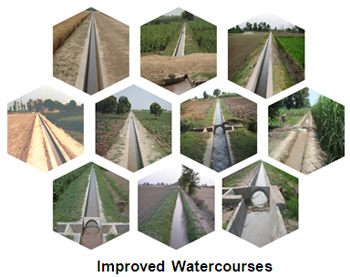
The watercourse improvement program has had a significant impact on the irrigation system in Punjab, Pakistan. The following are some of the positive outcomes of the program:
-
Water saving: The program has resulted in an annual water saving of 229 acre feet in regular watercourses, 164 acre feet in additional watercourses, and 55 acre feet in irrigation schemes.
-
Increased cropping intensity: There has been a 9% increase in cropping intensity, allowing for more agricultural production
-
Improved crop yield: Crop yield has increased by 31%, resulting in higher profits for farmers
-
Reduced theft and amicable dispute resolution: The program has reduced water theft and improved dispute resolution among farmers
-
Improved equity: The program has promoted equity among farmers by ensuring that everyone has access to an adequate water supply
-
Economic benefits: The program has resulted in an annual production gain of PKR 3 million per watercourse, benefiting the local economy
-
EIRR: The estimated internal rate of return (EIRR) for the program is 42%, indicating its financial viability
Procedure for Obtaining OFWM Application Form
To obtain the application form for the On-Farm Water Management (OFWM) facility, applicants can follow the following steps:
-
Visit the office of Deputy Director Agriculture (OFWM)/Assistant Director Agriculture (OFWM) in person and request an application form
-
Download the application form from the official website of OFWM
-
For additional information or queries regarding the application process, applicants can reach out to provincial, divisional, district, and tehsil level OFWM offices. The OFWM website also provides useful information on the application process
-
Fill out the application form with accurate information and attach all required documents
-
Submit the completed application form to the relevant authorities. The concerned officials will review the application and determine the eligibility of the applicant
Rehabilitation of Irrigation Schemes
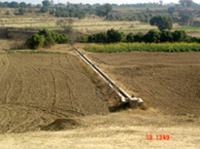
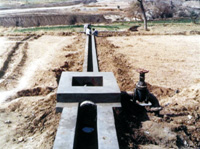
The rehabilitation works on irrigation schemes in non-canal commanded area are somewhat different than the conventional improvement of canal commanded watercourses. Mostly, piped water distribution networks replaces the existing earthen channels. In case, the cultivatable area is at higher elevation than the water source, irrigation of fields is carried out by lifting the water.
Rehabilitation of irrigation schemes in non-canal commanded areas is an essential task for improving agricultural productivity and ensuring sustainable water supply. These schemes often rely on earthen channels, which are prone to leakage, erosion, and sedimentation, resulting in reduced conveyance efficiency and inadequate water delivery to the fields. To address these issues, piped water distribution networks are used to replace the existing channels. This approach reduces water losses due to seepage, evaporation, and operational reasons, and improves water control and delivery to the fields.
However, the rehabilitation of these schemes is challenging due to the topography and land use patterns of non-canal commanded areas. In most cases, the cultivatable land is at a higher elevation than the water source, which requires lifting the water to the fields. This is done through the installation of lift pumps, which can be powered by electricity, diesel, or solar energy depending on the availability and affordability of energy sources.
The rehabilitation of irrigation schemes also involves the construction of storage tanks, sedimentation ponds, and water treatment facilities to ensure adequate water supply and quality. These facilities help to remove sediment, debris, and contaminants from the water and store it for later use.
The rehabilitation of irrigation schemes in non-canal commanded areas requires a comprehensive approach that involves the participation of local communities, government agencies, and other stakeholders. The success of such schemes depends on the availability of technical and financial resources, effective management and operation, and sustained support from all stakeholders.
Components of Irrigation Schemes
To ensure efficient irrigation, irrigation schemes typically involve several components. These components include pumping devices to lift water from natural water sources, conveyance systems using PVC and GI pipes to transport water to fields at higher elevations, open channels to supply water to fields at equal or lower elevations, RCC or PVC pipes to connect fields with depressions in between, and nakkas and turnouts at water distribution points. By including these components in irrigation schemes, farmers can ensure that water is distributed efficiently and effectively, promoting optimal crop growth and yield.
Components of Irrigation Schemes generally include:
-
Irrigation schemes involve lifting water from natural sources and ponds using pumps
-
Water is conveyed to higher elevation fields using GI and PVC pipes
-
Water is supplied to lower elevation fields using open channels
-
RCC or PVC pipes are used to connect fields with depressions in between
-
Nakkas and turnouts are provided at water distribution points to control and manage water flow
Improvement of Tubewell Watercourses
The watercourses associated with tubewells in non-canal commanded areas often pass through uneven topography or loose soil, resulting in significant water wastage during its transit. This wastage, along with leakage and seepage, leads to heavy water losses. Renovation of these watercourses can provide a huge opportunity for increasing agricultural production by reducing this colossal wastage.
The process of watercourse renovation for tubewell irrigation involves complete demolition of the existing watercourse, followed by rebuilding or realignment according to the engineering design. Parts of the reconstructed watercourse are lined, and necessary water control structures are installed to improve the conveyance of irrigation water.
The benefits of renovating tubewell watercourses include reduced water wastage and seepage, improved water distribution to agricultural fields, and increased crop yield. Additionally, the renovation can result in reduced energy consumption and operational costs for tubewell owners. The overall impact of the renovation on the agricultural economy can be significant, with improved crop productivity leading to increased profits for farmers
-
The renovation of tube well watercourses requires technical expertise and careful planning
-
The process can be initiated by contacting the office of Deputy Director Agriculture (OFWM)/Assistant Director Agriculture (OFWM) or by downloading the application form from the OFWM website. Additional information can be obtained from provincial, divisional, district, and tehsil level OFWM offices
 |
 |
||
|
Watercourse Improvement in Non-Canal Commanded Areas |
|||
Procedure for Rehabilitation of Irrigation Schemes/Tubewell Watercourses:
The rehabilitation/development procedure for irrigation schemes and tubewell watercourses involves several steps, which are outlined below:
-
Mobilization of shareholders: The OFWM staff mobilizes shareholders of each irrigation scheme/watercourse to organize water users associations (WUA)
-
Registration of WUA: The WUA is registered under OFWM and W.U.As Ordinance [Act] 1981 (Amended 2001). The WUA executes, facilitates, monitors and supervises the works for their quality and is also responsible for dispute resolution, provision of land for irrigation scheme/watercourse right of way, and labour cost for installation of water control structures, lining etc. as well as material cost over and above the government assistance
-
Earthen watercourse construction: After the WUA is established, the earthen watercourse construction begins. Once completed, nakkas are installed and culverts are constructed
-
Lining of critical reaches: The lining of critical reaches of watercourse is provided subsequently to reduce water loss and increase efficiency
-
Technical assistance: The OFWM staff provides technical assistance to WUA for watercourse development activities. The Assistant Director Agriculture (OFWM) makes frequent visits to the sites to ensure that field staff is regularly supervising the works and prescribed standards/specifications are being followed
-
Completion report: The ADA (OFWM) submits the completion report to the Consultants for final verification
Cost Sharing Arrangements
In order to promote the development of irrigation schemes and tubewell watercourses in non-canal commanded areas, the government has introduced cost-sharing arrangements with the beneficiary farmers. Under these arrangements, the government provides a certain amount of funds for the rehabilitation or development of the irrigation scheme or watercourse, while the remaining cost is borne by the beneficiary farmers.
In the case of irrigation schemes, the government provides a grant of Rs. 250,000, while the beneficiary farmers are responsible for the remaining cost of construction materials and labour charges. Similarly, in the case of tubewell watercourses, the government provides financial assistance for the installation of water control structures, lining, and other related activities, while the beneficiary farmers are responsible for labour charges and material costs.
This cost-sharing arrangement not only helps in reducing the financial burden on the government, but also encourages the participation of farmers in the development and maintenance of irrigation schemes and watercourses. By actively contributing to the cost of these projects, farmers develop a sense of ownership and responsibility, which in turn leads to better management and maintenance of these structures. Ultimately, this helps to increase agricultural productivity, improve water use efficiency, and enhance rural livelihoods.
Cost Sharing Arrangements includes:
-
The government provides a grant of Rs. 250,000 for the rehabilitation or development of irrigation schemes
-
The government promotes the development of irrigation schemes and tubewell watercourses in non-canal commanded areas through cost-sharing arrangements with beneficiary farmers
-
Beneficiary farmers are responsible for the remaining cost of construction materials and labour charges for irrigation schemes
-
The government provides financial assistance for the installation of water control structures, lining, and related activities for tubewell watercourses
-
Beneficiary farmers are responsible for labour charges and material costs for tubewell watercourses
-
Cost-sharing arrangements reduce the financial burden on the government and encourage farmers' participation in project
Obtaining the Irrigation Scheme/Tubewell Watercourse Development Facility
-
Obtain the application form from the office of Deputy Director Agriculture (OFWM)/Assistant Director Agriculture (OFWM) or download it from the OFWM website www.ofwm.agripunjab.gov.pk.
-
For additional information, visit the provincial, divisional, district, and tehsil level OFWM offices or the OFWM website (www.ofwm.agripunjab.gov.pk).
-
Fill out the application form with accurate information and attach all the required documents
-
Submit the completed application form and supporting documents to the relevant OFWM office
-
The OFWM staff will review the application and verify the information provided
-
Once the application is approved, the OFWM staff will provide technical assistance to the Water Users Association (WUA) for the rehabilitation or development of the irrigation scheme or watercourse.
-
The WUA will execute, facilitate, monitor and supervise the works for their quality and will also be responsible for dispute resolution, provision of land for irrigation scheme/watercourse right of way, and labour cost for installation of water control structures, lining, etc. as well as material cost over and above the government assistance.
-
The OFWM staff will make frequent visits to the sites to ensure that the works are being carried out according to the prescribed standards/specifications.
-
Upon completion of the project, the OFWM staff will submit a completion report to the Consultants for final verification
Precision Land Leveling
- Precision Land Leveling (PLL) is a farming technique that involves the mechanical process of grading and smoothing land to achieve a uniform and precise plane surface. This technique is becoming increasingly important in the face of water scarcity, as it allows for more efficient utilization of available water resources and can improve water productivity at the farm level.
- The traditional method of PLL involves using bucket type soil scrapers and tractor mounted rear blades, but this process can be laborious and expensive. To overcome these challenges, new technologies have been developed to streamline the PLL process, such as laser-guided grading systems that use GPS to achieve precision and accuracy in land leveling.
- One of the main benefits of PLL is that it can help to reduce water consumption by ensuring that water is distributed evenly across the land surface, thus minimizing runoff and increasing infiltration. This can lead to significant water savings and improved crop yields.
- In addition, PLL can also help to reduce soil erosion, improve soil structure and increase soil fertility, leading to improved crop health and reduced input costs. Moreover, the uniformity of the land surface achieved through PLL can facilitate the use of mechanical planting and harvesting equipment, which can further reduce labor and input costs.
- Overall, PLL is an effective and practical solution to address the water scarcity challenges faced by farmers, and it has the potential to improve farm productivity and sustainability while reducing input costs. As technology continues to improve, PLL is likely to become an increasingly popular technique among farmers around the world.
Using Laser Land Leveling Technology for Enhancing Water Productivity and Efficiency in Agriculture:
- Light Amplification by Stimulated Emission of Radiation (LASER) Land Leveling is a highly effective technology for improving water productivity and minimizing water application losses in farming. This technology was first introduced in Punjab in 1985 through the on-farm water management (OFWM) program, and has since proven to be a highly efficient tool for achieving precise land leveling in a shorter amount of time
- The use of LASER technology in PLL has many advantages over traditional leveling methods. It provides greater precision, uniformity, and accuracy, resulting in a smoother land surface that is better suited for optimal crop growth. This uniformity also allows for more efficient water application, reducing water losses due to runoff and increasing infiltration rates, which can lead to significant water savings and improved crop yields
- Furthermore, LASER land leveling is highly efficient, reducing the amount of labor required for land leveling and reducing the time and fuel needed for machinery. This can significantly reduce input costs for farmers, making it an attractive option for those looking to improve their profitability and sustainability
- In addition to its practical benefits, LASER land leveling also has environmental benefits. It can reduce soil erosion and the need for pesticides and herbicides, leading to improved soil health and reduced input costs, while contributing to the long-term sustainability of agricultural production
- Overall, LASER land leveling is a highly effective and practical solution for improving water productivity and achieving precise land leveling in a shorter amount of time. Its benefits extend beyond improved crop yields and water savings, providing a more sustainable and efficient approach to land leveling for farmers
Components of a LASER Land Leveling System for Precision Farming:
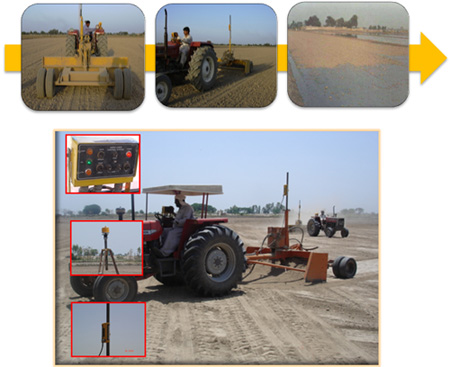
- The LASER land leveling system is a highly advanced technology that enables precise land leveling and improved water productivity in agriculture. The system consists of several key components that work together to achieve accurate and uniform land leveling.
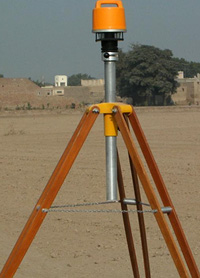
- The LASER controlled land leveling system includes a LASER transmitter, which emits a LASER beam that is intercepted by a signal receiver. The receiver is typically mounted on a leveling blade attached to a tractor, which is used to grade and level the land surface. The LASER beam provides a precise reference point for the receiver, allowing for accurate and uniform land leveling.
- The system also includes an electrical control panel, which is mounted on the tractor and interprets the signal from the receiver. The control panel opens or closes a solenoid hydraulic control valve, which raises or lowers the leveling blade as needed to achieve the desired land surface elevation.
- One of the key advantages of the LASER land leveling system is its ability to operate on single or dual graded slopes ranging from 0.01 to 15 percent. This allows for precise leveling of land surfaces with varying degrees of slope, making it a highly versatile and efficient tool for farmers.
- Overall, the LASER land leveling system is a highly effective and efficient technology for achieving precise land leveling and improving water productivity in agriculture. Its components work together seamlessly to provide accurate and uniform land surfaces, reducing water loss due to runoff and improving crop yields.
 |
 |
Benefits of Precision Land Leveling with LASER Technology
Precision Land Leveling using LASER technology has several benefits that have been proven through impact assessment studies. The use of this technology reduces the cost of land preparation, saves irrigation water, and increases crop yields. LASER technology ensures a high degree of accuracy in a shorter amount of time compared to traditional land leveling methods, resulting in cost savings for farmers. Uniform land surfaces improve seed germination and increase fertilizer use efficiency, resulting in improved crop yields.
An impact assessment study carried out by PIPIP Monitoring and Evaluation Consultants in 2018 revealed that Precision Land Leveling using LASER technology resulted in a 25% water saving, 23% improvement in crop yield, 11% enhancement in fertilizer use efficiency, and 18% saving in farm labor. This translates to an annual net revenue generation of PKR 410,000 and an Economic Internal Rate of Return (EIRR) of 29.6%. Overall, LASER Land Leveling technology offers a range of benefits that can improve the efficiency and productivity of agriculture. Here are some of the key benefits:
-
Minimizes cost of operation: LASER Land Leveling reduces the cost of land preparation by reducing the amount of soil that needs to be moved. This results in significant cost savings for farmers.
-
Ensures better accuracy in less time: With LASER technology, land leveling can be completed with a high degree of accuracy in much less time than traditional methods. This saves time and resources for farmers.
-
Saves irrigation water: Precision Land Leveling reduces water application losses and increases the efficiency of water use. This saves irrigation water and reduces the cost of water for farmers.
-
Uniform seed germination: By creating a uniform land surface, Precision Land Leveling ensures that seeds are planted at a consistent depth, resulting in uniform seed germination and better crop establishment.
-
Increases fertilizer use efficiency: With a uniform land surface, fertilizer can be applied more evenly, resulting in better uptake of nutrients by plants and increased fertilizer use efficiency.
-
Enhances crop yields: Precision Land Leveling has been shown to increase crop yields by up to 23 percent, according to an impact assessment study carried out by PIPIP Monitoring and Evaluation Consultants.
-
Saves farm labor: Precision Land Leveling reduces the need for manual labor, which results in cost savings for farmers and improves efficiency.
-
Gateway to mechanization: Precision Land Leveling using LASER technology is a precursor for on-farm water management (OFWM) interventions and other mechanization technologies in agriculture.
Overall, LASER Land Leveling technology offers a range of benefits for farmers and agricultural practitioners, including cost savings, time savings, and improved water use efficiency, and increased crop yields.
Financial Assistance for LASER Land Leveling in Punjab, Pakistan:
The government of Punjab has recognized the importance of Precision Land Leveling using LASER technology and has taken steps to encourage its adoption among farmers. In the past, the government provided one-time financial assistance to 11,500 farmers and service providers in the Punjab for the procurement of LASER land leveling units. This financial assistance has helped many farmers adopt this technology and improve their agricultural productivity.
Currently, the government is providing financial assistance of Rs.250, 000/- per unit to farmers and service providers in the irrigated areas of Punjab. This financial support is aimed at reducing the cost of adoption of this technology and encouraging more farmers to invest in LASER land leveling units.
The financial assistance can be a significant help to farmers who may not have the resources to invest in this technology on their own. This support from the government can go a long way in promoting the adoption of Precision Land Leveling with LASER technology and improving agricultural productivity in the region.
Procedure Obtaining LASER Land Leveling facility
-
Obtain the application form for financial assistance for LASER land leveling from the office of Deputy Director Agriculture (OFWM)/Assistant Director Agriculture (OFWM) or download it from the OFWM website
-
Additional information about the financial assistance can be obtained from provincial, divisional, district, and tehsil level OFWM offices or from the OFWM website.
-
Fill out the application form with accurate and complete information
-
Attach all the required documents as mentioned in the application form
-
Submit the application form along with the required documents to the concerned office
High Efficiency Irrigation Systems (HEIS)
The importance of irrigation water in crop production cannot be overstated. It is widely recognized that efficient use of irrigation water not only enhances crop productivity but also optimizes the use of other non-water inputs. Unfortunately, the province of Punjab has been grappling with a severe shortage of irrigation water for several years, exacerbating the challenges faced by its highly productive resource base. Compounding the issue is the inefficient use of the limited water resources available.
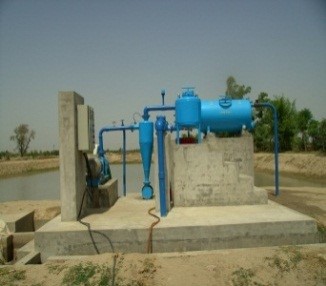
To tackle this problem, the adoption of High Efficiency Irrigation Systems (HEIS) has emerged as a viable solution. HEIS are designed to maximize the efficiency of water and nutrient application, minimizing losses and optimizing resource utilization. These systems employ advanced technologies such as drip irrigation, precision sprinklers, and micro-irrigation techniques, which deliver water directly to the roots of plants in a controlled manner
By implementing HEIS, Punjab can address several crop production issues simultaneously. Firstly, these systems significantly reduce water wastage through evaporation, runoff, and deep percolation, thereby maximizing the use of limited water supplies. Secondly, HEIS facilitate precision irrigation, enabling farmers to deliver water and nutrients directly to the root zone of crops, promoting healthier growth and reducing the risk of water stress. Thirdly, the controlled application of water and nutrients through HEIS helps to prevent over-irrigation and leaching, minimizing the negative environmental impacts associated with excessive fertilizer use.
Furthermore, HEIS can enhance overall agricultural productivity by improving crop yields, increasing water and nutrient use efficiency, and reducing production costs. The adoption of these systems can also lead to sustainable water management practices, ensuring long-term agricultural viability in Punjab.
In conclusion, given the critical importance of irrigation water in crop production, addressing the water shortage and improving the efficient use of available resources in Punjab is of utmost importance. High Efficiency Irrigation Systems offer a promising solution to these challenges by maximizing water and nutrient efficiency, enhancing crop productivity, and promoting sustainable agricultural practices.
Types of High Efficiency Irrigation Systems (HEIS)
High Efficiency Irrigation Systems (HEISs) encompass various types of irrigation techniques that aim to optimize water and nutrient application. Here are some commonly used types of HEIS:
-
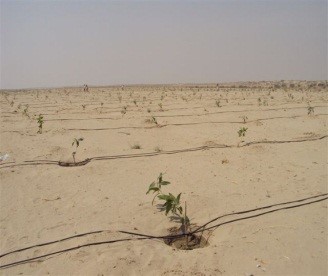
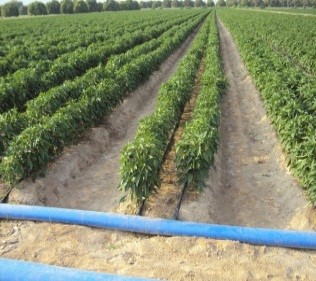
Drip Irrigation: In drip irrigation, water is delivered directly to the root zone of plants through a network of tubes or pipes with small emitters. These emitters release water in the form of droplets, allowing for precise and localized irrigation. Drip irrigation is efficient in terms of water usage, reduces weed growth, and minimizes water runoff.
-
Bubbler Irrigation: Bubbler irrigation is similar to drip irrigation but uses micro sprinklers mounted on small spikes. These sprinklers emit water in a gentle manner, creating a bubbling effect around the plants. Bubbler irrigation is suitable for plants that require higher water application rates and is commonly used in orchards and vineyards.
-
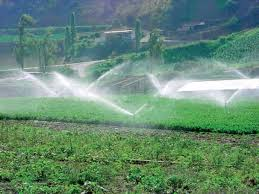
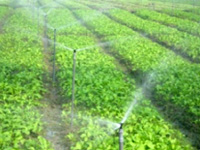
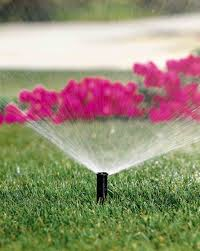
Conventional Sprinkler Irrigation: Conventional sprinkler irrigation involves the use of overhead sprinklers that distribute water over the crop area. The sprinklers rotate or oscillate, covering a large area. While this method is widely used, it is less water-efficient compared to drip or bubbler irrigation due to potential evaporation and wind drift.
-
Center Pivot Irrigation: Center pivot irrigation systems consist of a long, rotating arm that pivots around a central point, irrigating a circular area. Sprinklers are mounted on the arm, and water is evenly distributed as the system moves in a circular motion. Center pivot irrigation is commonly used in large-scale agriculture and provides uniform water coverage over a vast area.
-
Rain-Gun Irrigation: Rain-gun irrigation systems involve the use of large sprinklers or "rain guns" that project water in a high arc over the field. These systems are typically used in open-field agriculture and are capable of covering large areas with water. Rain-gun irrigation is useful for quick and efficient watering, but it may have higher water losses due to wind drift and evaporation.
These are just a few examples of the types of HEISs available. Each system has its advantages and is suited for different crop types, field sizes, and water availability. The choice of HEIS depends on factors such as crop requirements, water availability, soil type, and farm management practices.
 |
||
 |
 |
 |
 |
 |
 |
Schematic Diagram of Pressurized Irrigation System
Basic field layout of High Efficiency (pressurized) Irrigation System is shown below:

Cost Sharing Arrangements for High Efficiency Irrigation Systems (HEIS) in Punjab
To promote the adoption of High Efficiency Irrigation Systems (HEIS), the government implements cost sharing arrangements in which they subsidize a significant portion of the total system cost. Under these arrangements, the government offers a subsidy of 60 percent of the installation cost for HEIS on up to 15 acres of land. The remaining costs are then covered by the beneficiary farmers.
In addition to the system installation subsidy, the government also provides a subsidy of 60 percent of the scheme cost for constructing a water storage pond, if it is deemed necessary based on site-specific technical requirements. The decision to construct a water storage pond takes into account factors such as water availability, topography, and irrigation needs.
By offering these cost sharing arrangements, the government aims to make HEIS more affordable and accessible to farmers. By sharing the financial burden, the government encourages farmers to adopt these water-efficient irrigation technologies, which can lead to improved agricultural productivity, better water management, and increased sustainability.
These cost sharing arrangements help address the issue of irrigation water shortage in Punjab while also promoting the efficient use of available resources.
Impacts of High Efficiency Irrigation Systems (HEIS) at the Farm Level
The impact assessment study conducted by PIPIP Monitoring and Evaluation Consultants in 2018 evaluated the effects of High Efficiency Irrigation Systems (HEIS) at the farm level. The study revealed the following impacts:
-
Water Saving: HEIS resulted in a significant water saving of 50 percent compared to traditional irrigation methods.
-
Crop Yield Enhancement: Farmers using HEIS experienced a yield increase ranging from 20 to 100 percent, indicating improved productivity.
-
Fertilizer Use Reduction: HEIS facilitated better nutrient management, leading to a reduction in fertilizer use by 40 percent.
-
Orchards Maturing Earlier: Fruit orchards using HEIS were observed to mature earlier, resulting in faster fruit production within one to two years.
-
Early Picking of Vegetables: Vegetable crops irrigated with HEIS could be harvested 10 to 15 days earlier than those using conventional irrigation methods.
-
Value Addition: HEIS contributed to improved produce quality, enhancing the overall value of agricultural products.
-
Increase in Net Farm Income: The adoption of HEIS resulted in an increase in net farm income per acre per annum, with an average gain of PKR 75,000.
-
Economic Internal Rate of Return (EIRR): The EIRR for HEIS was calculated at 35.1 percent, indicating a positive economic impact and return on investment.
These findings highlight the positive and significant impacts of HEIS implementation, including water savings, yield enhancements, reduced fertilizer use, earlier maturation of orchards and vegetables, improved produce quality, increased farm income, and a favorable economic return on investment.
Procedure for getting the facility
-
Obtain Application Form:
-
Visit the office of Deputy Director Agriculture (OFWM)/Assistant Director Agriculture (OFWM) to collect the application form.
-
Alternatively, download the application form from the official website of OFWM (www.ofwm.agripunjab.gov.pk).
-
-
Gather Additional Information:
-
For any further details or inquiries, contact the provincial, divisional, district, or tehsil level OFWM offices.
-
Access the OFWM website (www.ofwm.agripunjab.gov.pk) to find additional information regarding HEIS facility.
-
It is recommended to carefully follow the instructions provided in the application form and seek clarification from the relevant authorities if needed. By adhering to the specified procedure and obtaining necessary information, interested individuals can proceed with the application process for availing the High Efficiency Irrigation Systems (HEIS) facility.
Training and Capacity Building
The Water Management Training Institute (WMTI) has played a crucial role in the training and capacity building of stakeholders involved in the Overseas Filipino Workers (OFWM) program since 1981. WMTI offers a wide range of training courses to address the diverse needs of OFWM stakeholders.
These courses cover various disciplines related to water management, which is a vital aspect of the OFWM program. The training programs offered by WMTI aim to enhance the knowledge, skills, and capabilities of participants in areas such as water resource management, irrigation systems, sustainable agriculture practices, watershed management, and water conservation techniques.
The courses provided by WMTI are designed to meet the specific needs of OFWM stakeholders, including government officials, agricultural workers, engineers, and other professionals involved in water management. Through these training programs, participants gain a deeper understanding of the principles and best practices in water management, enabling them to effectively contribute to the success of the OFWM program.
By focusing on training and capacity building, WMTI plays a vital role in developing a skilled workforce and promoting sustainable water management practices within the OFWM program, ultimately benefiting both the stakeholders and the communities they serve.
Compulsory OFWM Training Course Offered by WMTI:
The Water Management Training Institute (WMTI) offers a compulsory 90-day training course for all field staff involved in the Overseas Filipino Workers (OFWM) program. This course is designed to equip participants with the necessary knowledge and skills to effectively carry out their responsibilities in water management. The training program covers a wide range of topics including:
-
Sociology: Understanding social dynamics and community engagement in water management projects.
-
Surveying: Techniques for accurately measuring and mapping land and water resources.
-
Flow measurement: Methods for quantifying the amount of water flowing in irrigation systems.
-
Designing watercourse construction: Principles and practices for designing efficient water channels.
-
Precision land leveling: Techniques for achieving uniform land surfaces to optimize irrigation efficiency.
-
Irrigation agronomy: Understanding the science of crop production in irrigated environments.
In addition to the 90-day course, there is a mandatory six-week training program for staff members seeking promotion within the OFWM program. This training focuses on enhancing leadership, management, and technical skills relevant to their new roles. The six-week training program may cover topics such as:
-
Project management: Effective planning, implementation, and evaluation of water management projects.
-
Leadership and teamwork: Developing leadership qualities and fostering effective team collaboration.
-
Technical advancements: Staying updated with the latest innovations and technologies in water management.
-
Communication and negotiation: Enhancing interpersonal skills to effectively interact with stakeholders and partners.
These mandatory training programs ensure that OFWM field staff are equipped with the necessary competencies to successfully carry out their duties, contribute to sustainable water management practices, and support the overall goals of the program.
Professional Training Courses Offered by WMTI
The Water Management Training Institute (WMTI) offers a range of professional training courses to cater to the diverse needs of stakeholders involved in the Overseas Filipino Workers (OFWM) program. These technical training courses are designed to enhance the knowledge and skills of participants in various aspects of water management. Some of the key technical training courses provided by WMTI include:
-
Drip/Sprinkler design: Understanding the principles and techniques involved in designing efficient drip and sprinkler irrigation systems.
-
Irrigation scheduling: Learning how to develop effective irrigation schedules based on crop water requirements and soil moisture levels.
-
Advanced Surveying and CAD: Enhancing skills in land surveying techniques and computer-aided design (CAD) software for accurate mapping and planning of water management projects.
-
Advanced Computer Use for WM: Developing proficiency in using computer software and tools for data analysis, modeling, and decision-making in water management.
-
Community Development for HEIS: Gaining insights into community engagement strategies and participatory approaches for successful implementation of High-Efficiency Irrigation Systems (HEIS).
-
Lift Irrigation System Design: Acquiring knowledge and skills in designing lift irrigation systems for efficient water delivery to elevated agricultural lands.
-
Geographic Information Systems: Understanding the applications of GIS technology in water resource management, spatial analysis, and decision support.
-
Environment Issues in WM: Exploring the environmental considerations and sustainable practices in water management, including water pollution prevention and ecosystem conservation.
-
Resource Conservation Technologies: Learning about innovative technologies and practices for water conservation, soil management, and efficient use of agricultural inputs.
-
Crop cultivation under HEIS & Tunnels: Understanding the specific requirements and techniques for crop cultivation in HEIS and tunnel farming systems.
-
Design, installation, and management of Solar Systems for operating HEIS: Acquiring knowledge and skills in designing and implementing solar-powered systems for operating High-Efficiency Irrigation Systems.
These technical training courses provided by WMTI equip participants with specialized knowledge and practical skills necessary to address the complex challenges of water management, promote sustainable practices, and contribute effectively to the success of the OFWM program
Technical Training Courses Offered by WMTI:
-
LASER Tractor Operation: Participants learn the skills and techniques for operating LASER-equipped tractors used in land leveling and precision agriculture practices.
-
LASER Equipment Maintenance: This course focuses on the maintenance and repair of LASER equipment used in various water management applications, ensuring optimal performance and longevity.
-
HEIS Operation & Maintenance: Participants gain comprehensive knowledge of operating and maintaining High-Efficiency Irrigation Systems (HEIS), including pump operation, control mechanisms, and system troubleshooting.
-
Crop Cultivation under HEIS: This training course provides insights into crop cultivation techniques specifically tailored for HEIS, taking into account water delivery systems, nutrient management, and crop water requirements.
-
Soil Moisture Measuring/Monitoring: Participants learn about different methods and technologies for measuring and monitoring soil moisture levels, enabling them to make informed irrigation decisions and optimize water use.
-
Gender Participation in Irrigation Management: This course focuses on promoting gender equality and women's participation in irrigation management, emphasizing the importance of inclusivity and equal opportunities in water management practices.
-
Tunnel Farming with HEIS: Participants gain expertise in combining tunnel farming techniques with HEIS, covering topics such as greenhouse construction, microclimate control, and crop selection for protected cultivation.
These technical training courses offered by WMTI are designed to equip participants with specialized knowledge and skills in specific areas of water management and irrigation practices. By providing hands-on training and theoretical knowledge, WMTI aims to enhance the capacity of participants to effectively operate, maintain, and optimize water management systems, ultimately contributing to sustainable and efficient water use in the OFWM program.
Refresher Courses Offered by WMTI:
-
Watercourse Designing: Participants refresh their knowledge and skills in designing efficient watercourses, considering factors such as slope, flow velocity, and sediment transport.
-
Watercourse Construction: This course focuses on the practical aspects of watercourse construction, including excavation, lining, and proper installation of gates and structures.
-
Surveying & Leveling: Participants receive a refresher on surveying techniques and leveling methods used in water management projects, ensuring accurate measurements and alignment.
-
Flow Measurement: This course revisits the principles and techniques for measuring water flow in irrigation systems, including the use of different devices and calculation methods.
-
Social Mobilization: Participants gain insights into effective strategies for engaging and mobilizing communities in water management initiatives, emphasizing participatory approaches and stakeholder involvement.
-
Administrative Procedure: This refresher course covers administrative procedures and protocols specific to the OFWM program, including documentation, reporting, and coordination with relevant government agencies.
-
Accounts and Finance: Participants refresh their knowledge of financial management and accounting principles relevant to water management projects, including budgeting, expenditure tracking, and financial reporting.
-
Basic Computer Operation: This course focuses on refreshing participants' computer skills, covering essential operations, file management, and basic software applications relevant to their roles in water management.
-
Extra Courses: WMTI organizes additional courses on a project-to-project basis to meet the specific capacity building needs of schemes or projects within the OFWM program. These courses are tailored to address unique requirements and challenges encountered in the respective projects.
The refresher courses offered by WMTI aim to update participants' knowledge and skills in key areas of water management and administration, ensuring they stay current with best practices and industry standards. By providing opportunities for continuous learning and skill enhancement, WMTI contributes to the professional development and effectiveness of OFWM stakeholders, enabling them to better contribute to the success of water management projects and schemes.
Specialized Trainings Offered by WMTI:
WMTI provides highly specialized training programs conducted by a team of qualified and multidisciplinary faculty members. These training courses cover various domains and disciplines related to water management in the context of the Overseas Filipino Workers (OFWM) program. The specialized trainings offered by WMTI include:
-
Agricultural Engineering: Training focusing on engineering principles and practices in relation to water management, irrigation systems, and agricultural infrastructure.
-
Agronomy: Courses covering crop cultivation techniques, soil management, and plant nutrition in the context of water-efficient agriculture.
-
Soil Science: Training programs that delve into soil properties, fertility management, and conservation practices to optimize agricultural productivity.
-
Agricultural Economics: Courses exploring economic aspects of water management, including cost-benefit analysis, market dynamics, and agricultural policy.
-
Rural Sociology: Training modules that examine social dynamics, community engagement, and participatory approaches in water management projects.
-
Project Planning & Evaluation: Courses focusing on the principles and methodologies of project planning, implementation, and evaluation in the context of water management initiatives.
-
Irrigation Agronomy: Specialized training covering crop water requirements, irrigation scheduling, and agronomic practices specific to irrigated agriculture.
-
Environmental Safeguards: Courses addressing environmental considerations, impact assessment, and sustainable practices in water management projects.
-
Agricultural Extension: Training programs that focus on extension methodologies, farmer outreach, and knowledge transfer to enhance adoption of water management practices.
Additionally, WMTI has specialist faculty members in various fields, including design engineering, surveying and mapping, flow measurement, construction, lift irrigation, quality control, monitoring and evaluation, safeguards, LASER land leveling operation and maintenance, permanent raised beds, HEIS design installation and O&M, and solar energy water pumping systems. The institute also maintains a comprehensive database of over 100 visiting experts who contribute to specialized trainings based on the specific needs and requirements of the participants and projects.
These specialized trainings offered by WMTI ensure that participants receive in-depth knowledge and expertise in their respective fields, enabling them to effectively address the complex challenges and requirements of water management within the OFWM program.